
How microneedling creates change
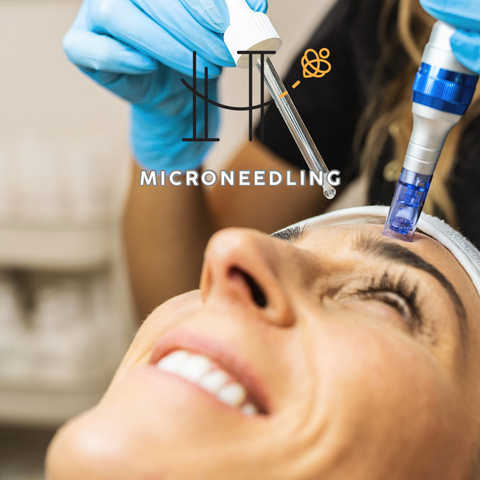
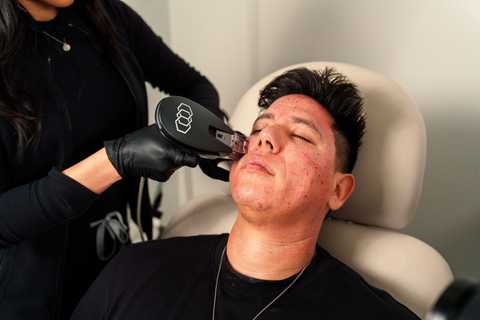
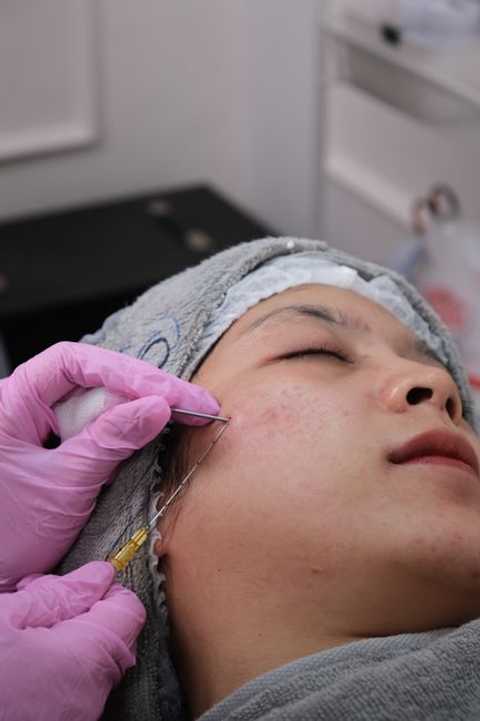
Microneedling uses a device with very fine needles to create tiny, controlled injuries in the skin’s surface. Those micro-injuries trigger the skin’s natural repair responses, encouraging new collagen formation and gradual improvement in texture. The process is intentionally limited so the procedure remains minimally invasive with relatively little downtime compared with surgical options.
Which visible improvements occur depends on the skin concern treated: increased collagen can help a more youthful, brighter complexion, while the controlled remodeling can reduce the appearance of uneven pigmentation, enlarged pores, and acne scars. Individual results vary and are shaped by the severity of the concern, skin characteristics, and how the skin is cared for afterward.
What to expect during appointment
A microneedling appointment at our West Valley City location typically runs about 105 MINUTES, including consultation and preparation. You’ll be on site near Hunter Town Center, which can suit family-oriented schedules and local commutes from 3500 South, 5600 West and nearby neighborhoods. The treatment itself is controlled and focused on targeted areas of concern.
Aftercare is important for healing and results: Absolutely no direct sunlight for 2 weeks, apply sunscreen daily. Keep moisturized with Aquaphor ointment until fully healed. Avoid; makeup, waxing, facials and exfoliants until healed. No excessive heat or sweating for the first 48 hours. Planning appointments around school, work, or transit makes adherence to these steps easier.
Choosing treatment and follow-up
Deciding whether microneedling is right for you starts with identifying your goals—improving texture, addressing fine lines, reducing pore appearance, or softening acne scarring—and discussing realistic expectations. The clinician will review your skin concerns and create a plan tailored to your lifestyle and schedule, and will confirm the price of the single session as $150 during planning.
Follow-up is used to monitor healing and to adapt future sessions or home-care recommendations. Because West Valley City experiences four distinct seasons and dry summer months, timing and aftercare recommendations may be adjusted to optimize recovery and reduce sun exposure risks during healing.